
efillship • Returns Management
Ecom Returns
Pick & Pack • Pallet Storage • Dispatch • 3PL warehousing
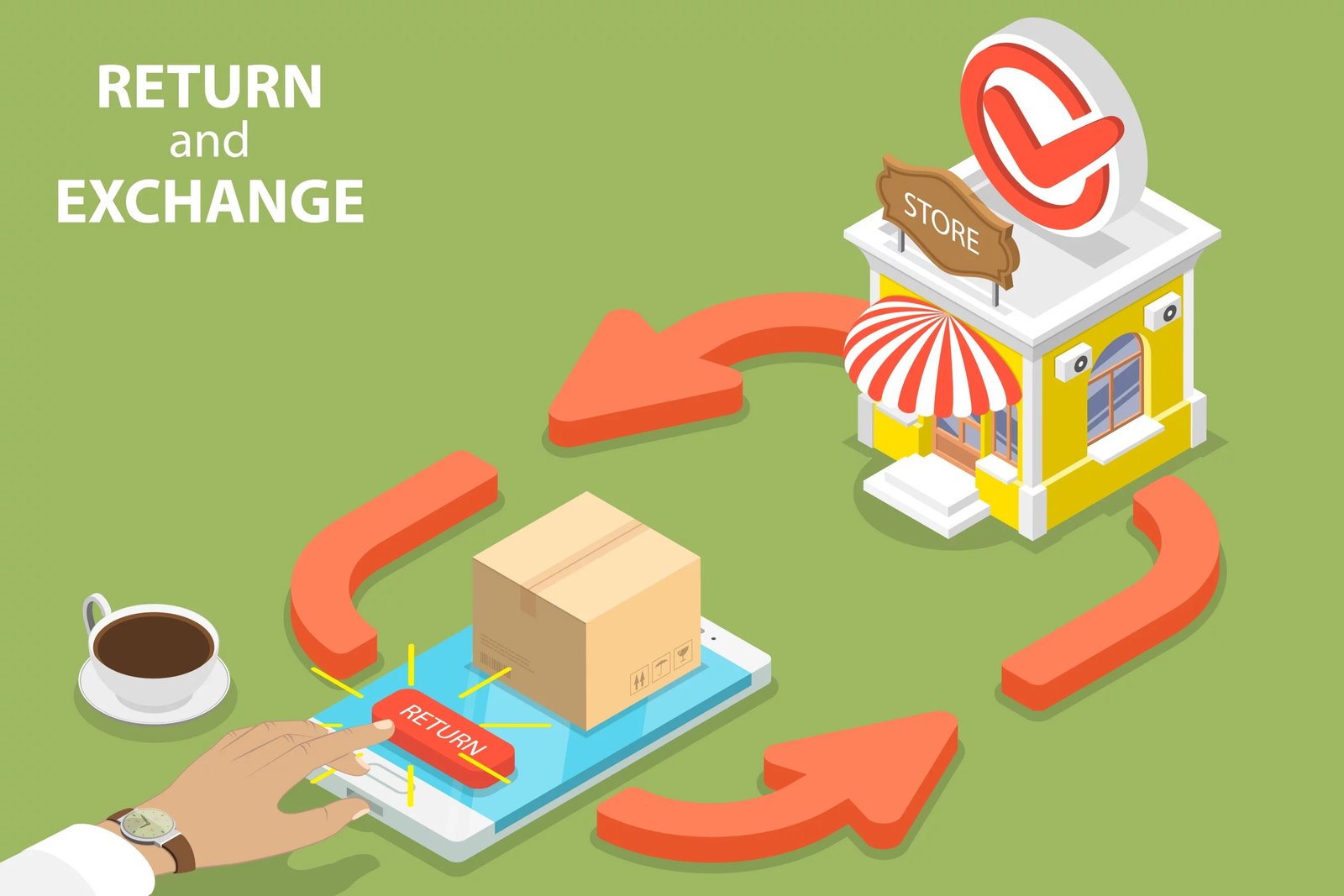
Handling returned inventory
A returns workflow should define how incoming goods are identified, inspected and recorded. Depending on the product and client instructions, returned stock may be returned to inventory, quarantined or handled separately.

How this fits into an ecommerce fulfilment workflow
For most ecommerce brands, fulfilment starts before the customer places an order. Inventory first needs to arrive at the warehouse, be identified correctly and be allocated to suitable storage. When an order is received, the required products are picked, checked, packed and prepared for dispatch.
The exact workflow depends on SKU count, product size, inbound format, average units per order, monthly volume and any special packing or kitting requirements.
What efillship can provide
Our services can include inbound receiving, pallet and shelf storage, active pick locations, ecommerce order processing, pick and pack, carrier dispatch, returns handling, selected kitting and B2B or wholesale requirements.
We support Shopify and other ecommerce workflows through our fulfilment and shipping systems. Carrier arrangements can vary depending on the account setup and shipment requirements.
Planning your fulfilment setup
Useful information includes product dimensions and weights, SKU count, expected monthly orders, average units per order, inbound carton or pallet quantities and any branded packaging or inserts.
This gives a clearer view of storage and handling requirements than order volume alone and helps determine whether the account is a suitable fit.

Helpful information
Frequently asked questions
Can efillship process ecommerce returns?
Returns can be handled according to an agreed client process, including identification and appropriate stock handling.
Where is efillship located?
Our warehouse is in Hastings, Victoria, Australia.
What information helps when requesting a fulfilment quote?
Useful information includes SKU count, product dimensions and weights, inbound carton or pallet quantities, expected monthly orders, average units per order and any special packing requirements.